Discover the vital benefits of public healthcare systems. Learn how they promote equality, affordability, and access to care for all—ideal for students, professionals, and the general public.
Introduction
Public health care systems play a central role in ensuring that citizens have equitable access to essential medical services without facing financial hardship. These systems, funded primarily by the government through taxation, have been a cornerstone in promoting social welfare, public well-being, and inclusive economic growth.
In today’s complex healthcare landscape, where private care often dominates headlines, understanding the value and benefits of public health care is more critical than ever—especially for students, professionals, and the general public seeking informed decisions.
What is a Public Health Care System?
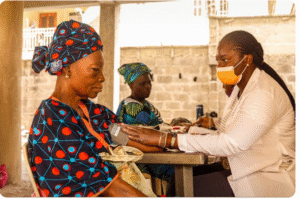
A public health care system refers to government-funded health services that are either free or low-cost to the public. They are funded through taxation and managed by public authorities, ensuring universal access to healthcare regardless of socio-economic status.
Key Characteristics:
-
Funded through national or regional taxes
-
Focused on universal coverage
-
Provides preventive, curative, and rehabilitative care
-
Managed by government institutions or public partnerships
1. Universal Access to Healthcare
One of the most powerful benefits of public healthcare systems is universal access. Regardless of income level, employment status, or social class, everyone is entitled to healthcare.
Quote:
“Health is a human right, not a privilege to be purchased.” — WHO Director-General, Dr. Tedros Adhanom Ghebreyesus
Impact:
-
Reduces health disparities
-
Prevents diseases through early intervention
-
Improves public health outcomes
2. Financial Protection and Affordability
Public healthcare significantly reduces out-of-pocket expenses. Citizens are not forced to sell property, skip care, or fall into debt due to medical bills.
Chart: Financial Protection Comparison
| Country | Out-of-Pocket Spending (% of Total Health Expenditure) |
|---|---|
| UK (NHS) | 10% |
| Canada (Medicare) | 15% |
| South Africa (Public) | 14% |
| USA (Private-heavy) | 42% |
(Source: World Bank, WHO Global Health Expenditure Database)
3. Preventive and Community Health Services
Public health systems prioritize preventive care such as immunizations, screenings, and health education. These programs reduce long-term costs and promote healthier societies.
Examples of Public Health Campaigns:
-
HIV/AIDS awareness programs in South Africa
-
Anti-smoking initiatives in the UK
-
Vaccination drives worldwide
4. Equity and Social Justice
Public healthcare is rooted in the principle of equity—offering every individual the care they need regardless of their background.
Key Benefits:
-
Supports vulnerable populations (elderly, low-income, children)
-
Reduces geographic health disparities
-
Ensures inclusive development
Quote:
“The measure of a society is how it treats its most vulnerable.” — Mahatma Gandhi
5. Economic Productivity and Workforce Health
A healthy population is a productive population. Public healthcare improves labor force efficiency and reduces absenteeism.
Economic Benefits:
-
Less burden on employers for insurance
-
Improved school attendance and academic performance
-
Increased productivity and national GDP
6. Government Accountability and Regulation
Unlike private systems driven by profit, public healthcare emphasizes transparency and accountability in care delivery.
Features:
-
Monitored by ministries of health
-
Public budget allocations
-
Regulated pricing and service standards
7. Emergency Preparedness and Epidemic Response
During pandemics or disasters, public healthcare systems are the first line of defense.
Case Studies:
-
COVID-19: Nations with strong public healthcare (e.g., South Korea, Germany) responded more effectively.
-
Ebola Response: Coordinated by national health services in West Africa with global aid.
Quote:
“Strong public health systems are the backbone of epidemic control.” — CDC Foundation
8. Long-Term Cost Efficiency
Public health care systems are more cost-effective due to bulk procurement of medicine, regulated fees, and streamlined administration.
Comparison Chart: Healthcare Expenditure Per Capita
| Country | Healthcare Spending (USD) | System Type |
|---|---|---|
| UK | $4,500 | Public |
| Canada | $5,000 | Public |
| South Africa | $500 | Mixed |
| USA | $11,000 | Private-heavy |
(Source: OECD, 2024)
9. Improved Public Trust and Stability
Citizens tend to trust governments that ensure their health and well-being. This strengthens national unity and social trust.
Quote:
“Public trust is the currency of good governance.” — Kofi Annan
10. Training, Research & Medical Innovation
Many public hospitals serve as training centers and research hubs, providing academic support and innovation.
Contributions:
-
Medical student internships
-
Public health research institutions
-
Evidence-based policy development
Public Health Care in South Africa: A Case Snapshot
South Africa operates a two-tier system, with about 80% of the population depending on the public health sector.
Challenges:
-
Underfunding
-
Staff shortages
-
Urban-rural disparities
Government Initiatives:
-
National Health Insurance (NHI) proposal
-
Ward-based outreach teams
-
Expanded immunization programs
External Link: South Africa Department of Health
FAQ:
1. What is the difference between public and private healthcare?
Public healthcare is funded by the government and offers services at low or no cost. Private healthcare is profit-driven and typically more expensive but may offer faster service.
2. Is public healthcare free?
It is usually free at the point of care, though funded indirectly through taxes.
3. Can I choose my doctor in a public healthcare system?
In most systems, doctor choice is limited but possible in urban settings.
4. What are the challenges of public healthcare systems?
Challenges include underfunding, long wait times, and limited resources in rural areas.
5. Why should students care about public healthcare?
Access to affordable healthcare allows students to focus on their studies without worrying about medical costs.
Conclusion: Why Public Health Care Matters
The public healthcare system is more than just a service—it is a societal commitment to equality, compassion, and shared responsibility. While not without flaws, its benefits far outweigh the challenges. For students, professionals, and the general public, advocating for stronger public health systems is a step toward a more just and healthier world.
Final Quote:
“Of all the forms of inequality, injustice in health is the most shocking and inhuman.” — Dr. Martin Luther King Jr.
ALSO READ:
- How to Choose the Right Health Insurance Plan in South Africa
- Health Insurance in South Africa: A Comprehensive Guide
- How Does Home Insurance Operate?
- The Top 10 South African Home Insurance Companies
- Types of Insurance Organizations: A Comprehensive Guide
- The Importance of Life Insurance for Adults 2025
- How to Get Tree Service Insurance: Essential Steps for Coverage and Protection
- 10 Ways to Customize Your Life Insurance Policy for Better Protection and Peace of Mind